The stainless steel bottle has received popularity among individuals who need to possess a durable, environmentally-friendly, and healthy alternative to the single-use plastic bottle. They can keep hot or cold drinks long enough, besides being long-term, hence making them one of the products that people use at any given time or anywhere. However, these bottles must be hygienically washed and preserved to be safe and healthy, besides lasting a long time. With a systematic routine, bacteria do not develop, there is no bad smell or discoloration, and the appearance and functionality of the wholesale water bottle are preserved.
Importance of Cleaning on a Regular Basis
It is noteworthy that stainless steel bottles are to be washed on a regular occasion based on the relatively regular contact with water, juices, coffee, tea, and other drinks that may leave some traces. These residues may accumulate with time to result in foul odours, discoloration, and even bacteria. Stainless steel, unlike plastic bottles, has an inherent protection for the conservation of the flavours, but it does not mean that it cannot be contaminated. The consistency of the cleaning schedule is the assurance that the inside of the bottle will not be contaminated with bacteria, and the outside of the bottle will also appear healthy and clean.
Daily Cleaning Practices
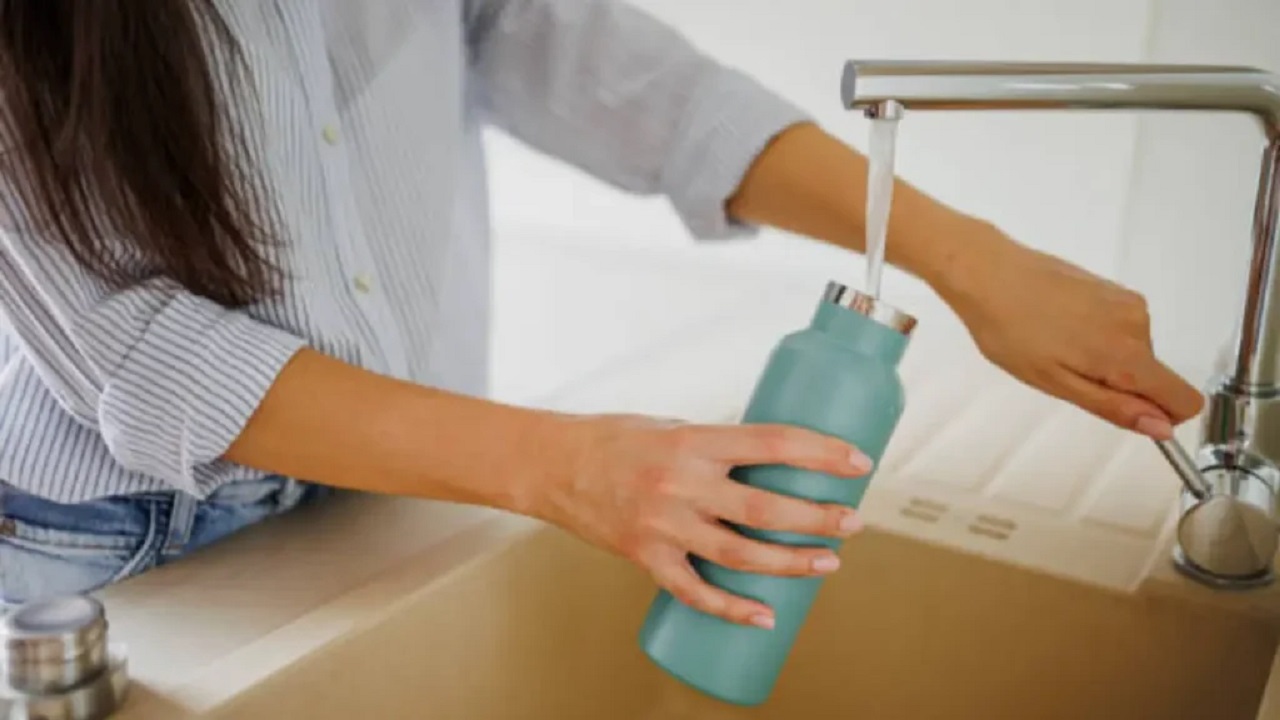
The only thing one needs to keep it is rinsing it with warm water immediately after use. This procedure removes the remaining liquid, and there is no likelihood of any residue remaining on the bottom. Washing the inside with a mild dish soap and a soft bottle brush will remove all the dirt on the inside. It should not be washed with gross abrasives or steel wool, as this will cause scratches that will ruin the insulating qualities of the bottle and provide the bacteria with a chance to multiply. The surface also has to be wiped down using a soft cloth or sponge to remove any fingerprints, dirt, or any other type of stains, so that the bottle looks attractive to the eyes and is also hygienic.
Accessory and lid Cleaning
The same thing can be said in regard to the lids, caps, and other forms of accessories, e.g., straws or ice blockers. These sections are normally moist and contain remnants, hence prone to bacterial development. Wet, soapy water can be used to wipe the lids, and a small brush can be used to wipe the openings. The fine attachments may be washed out with special brush tools, or hot water may be passed through the straws. By making sure that such aspects are completely dry when they are reassembled, it is guaranteed that the mold and foul odors are not formed inside the bottle.
Drying and Storage
Another process used in the maintenance of stainless steel bottles is drying. One should air-dry the bottles, invert them in a clean drying rack, so that all the moisture is out. This will avoid spots on water and eliminate bacteria. Caps and lids are also to be dried separately and replaced. In such cases when the storage time is much longer, it is better to leave the bottle without the lid since in this case, the air can be released, and there will be no accumulation of water. The bottles should be preserved in a cool and dry environment, which is crucial so that the bottles are in good condition for future use.
Avoiding Common Mistakes
The practices may reduce the reliability and hygiene of the stainless steel bottles. Due to the fact that drinks, especially acidic drinks like juice or coffee, have been in the bottle for a long period of time, this will cause stains and affect the taste of the latter drinks. One should not use cleaning products that use chlorine as the basis to clean the stainless steel, as they may corrode the surface, rendering it wet. In addition to this, stainless steel bottles should not be placed in the dishwasher unless the manufacturer allows the very same to be done, since high temperatures and detergents may interfere with the insulation operations or the coating on the exterior.
Conclusion
Stainless steel bottles are effective, environmentally-friendly, and healthy, but their functionality and life span depend on the success of the cleaning and maintenance. Rinsing on a daily basis, deep cleaning of the same when necessary, special attention to the lids and accessories, and thorough drying will guarantee that the bottles will be clean, odorless, and appealing. By getting rid of most of the common mistakes, such as leaving beverages in the bottles during long periods of time, and also harsh forms of cleaners, which will ultimately result in the deterioration of bottles, users can extend the lifespan of their stainless steel bottles.