Why Quality Mulcher Teeth Matter in Heavy-Duty Forestry Work
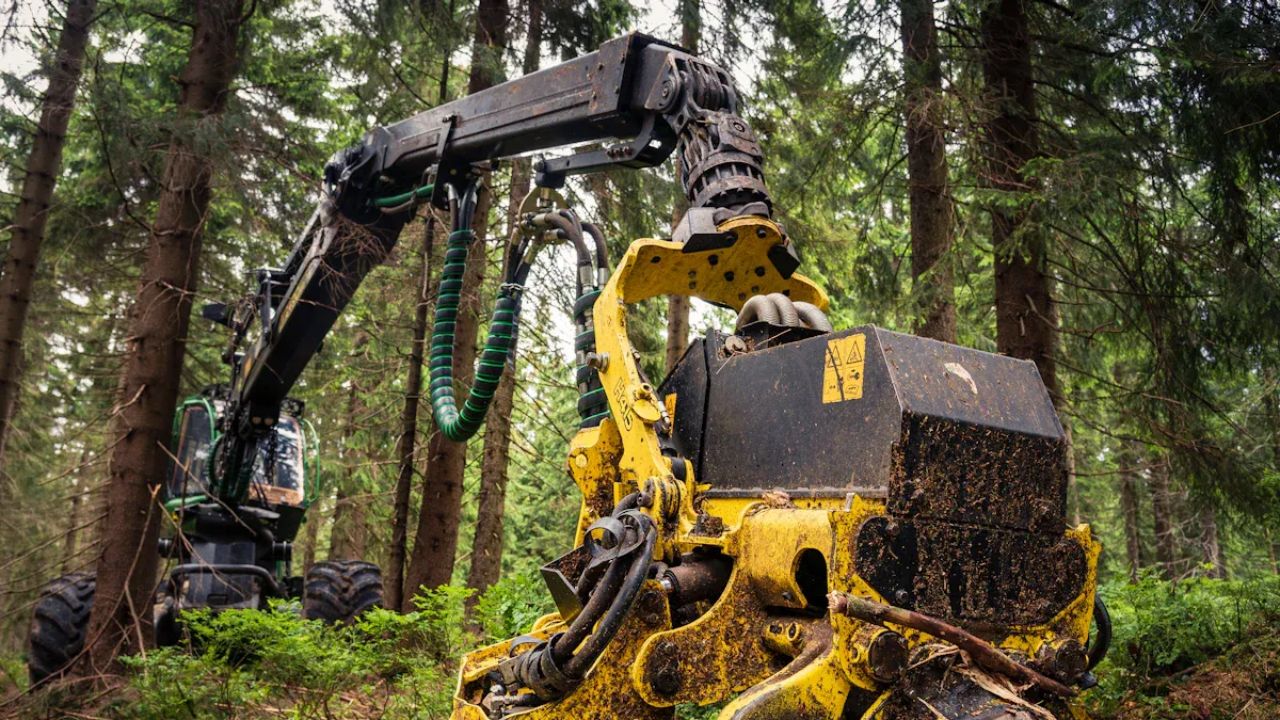
Forestry operations require heavy equipment, which is capable of working in harsh conditions. Clearing the thick vegetation and hardwood trees, trimming the stumps and working in the rocky areas every day, forestry mulcher teeth are taken to extremes. The main component of these machines is the mulcher teeth- the key cutting part that directly defines the productivity, efficiency and operating costs. Mulcher teeth quality is the key to the effectiveness of forestry equipment in harsh conditions.
The Role of Mulcher Teeth in Forestry Operations
The rotor of a forestry mulcher has mulcher teeth which are in charge of cutting, shredding and pulverizing vegetation. Tooths absorb the repeated hits and do not lose sharpness and structural integrity. These teeth are required to be used in the forestry work, which is heavy-duty, and cannot break easily before their functionality is exhausted. Substandard teeth break under stress, become worn after a short time, and lose efficiency in cutting, which results in frequent unavailability and high maintenance expenses.
The design of high-quality mulcher teeth is to provide consistent cutting action even in the case of sustained high load conditions. They are designed in such a way that they have efficient material flow, they have a balanced rotor, and they also have controlled cutting action, which makes the machines operate more smoothly.
Durability Under Extreme Conditions
The environment of forestry is random. Mulchers frequently meet with rocks, roots and hard ground, subjecting the cutting parts to extreme stress. Quality mulcher teeth are made out of high-grade alloy steel and hardened with carbide tips, which are resistant to wear and impact damage. This combination enables the teeth to have sharp cutting edges and be in a position to withstand repeated shock loads.
Poor quality of teeth can be cheap in the short term, but they will become dull easily, or they will fracture when subjected to rough landscapes. The high rate of replacement also leads to wasted operating time, besides incurring costs on parts. Premium mulcher teeth, on the contrary, are made to last longer in service, thus machines can work longer between maintenance periods.
Impact on Machine Efficiency and Fuel Consumption
Efficiency also impacts the amount of labour that a mulcher has to put in. When the teeth are sharp, tough and well-shaped, they cut the material and not tear or crush it inefficiently. This also reduces stress on the engine, hydraulic and rotor bearings.
Mulcher teeth are of high quality and enable machines to have similar rotor speed and depth of cutting that enhances productivity. The cutting is also very efficient and results in reduced consumption of fuel as the engine is not required to make up for dull or damaged teeth. This results in high cost-saving in the long run, especially when doing forestry work on a large scale.
Equipment Protection and Reduced Downtime
Mulcher teeth serve as a sort of armor for the whole machine. Teeth of bad quality are prone to breaking suddenly and may result in the rotor, tooth holders or housing becoming damaged. These failures usually lead to unplanned closure and expensive repairs.
Mulcher teeth are well-designed, forged, and balanced to limit unnecessary vibrations and uneven wear. This safeguards vital parts and provides a smoother operation. Quality teeth also increase the life of the mulcher when reduced mechanical stress is applied on the machine, hence they should be an investment and not a consumable add-on.
Compatibility and Performance Consistency
The rotor systems and machine brands are usually dependent on the heavy-duty forestry operations. Quality mulcher teeth are OEM-compatible in nature and thus fit with equipment offered by companies like FAE, SEPPI, FECON, QUADCO and others with a good fit and can be securely attached. Correct fit guarantees constant cutting angles, retention and wear predictability.
Clients who have contractors working in many locations are particularly concerned with constant performance. Stable teeth are used to ensure operators achieve consistent performance irrespective of the terrain, vegetation cover, and machine setup.
Long-Term Value in Forestry Applications
Although quality mulcher teeth might be more expensive at the time of purchase, the long-term value cannot be disputed. There is less downtime, replacement, and increased fuel consumption and better machine protection, all of which lead to lower overall operating costs. In intensive forestry operations where reliability and productivity are of primary importance, the investment in high-quality mulcher teeth is directly correlated to profitability and success in the operation.
Conclusion
Mulcher teeth are not merely wear parts in heavy-duty forestry machines, but key performance parts. The quality mulcher teeth provide wear life in an aggressive environment, enhance cutting performance, safeguard valuable machinery, and also lower the total operating expenses. In the case of forestry specialists who cannot afford to compromise on the quality of mulcher teeth in harsh conditions, investing in high-quality mulcher teeth is a long-term investment that will be worth the rewards.